Recording Thermometers Horticulturalist Peter Whyte gives some expert advice

Greenhouse users (both Polytunnel and Glasshouse) need to know what the temperature was when they weren’t around to check it.  Did it get too hot yesterday afternoon, stressing the plants and stopping the lettuce seeds from germinating?  Did it get too cold last night, and should I have closed the vents a bit more?  Did I overheat the greenhouse last night? A maximum and minimum recording thermometer will answer those questions.  Both digital and traditional analogue types are available.  Analogue types are generally cheaper and simpler to use, and need no power source.  Instead of a single tube and bulb with mercury or coloured alcohol, they have a U-shaped tube with a bulb at each end and a column of mercury in the middle.  A temperature change pushes the mercury down one arm and up the other.  The mercury pushes a floating pin along each tube as it moves and leaves it behind when it moves back, showing how far it went since you last reset it.  The thermometer is reset by tipping it up on end or pulling the pins back with a small magnet. Digital models are reset by pushing buttons as per the user’s manual.  For best results place the thermometer or its digital sensor at the level of the plants and shade it from direct sun, which overheats it and gives a false high reading.

Water Butts

2014-12-01 13.57.54aDecember is a good month for washing down your greenhouse if it’s empty, or insulating it if you have plants in it.  But it’s also a good month for thinking about how to make it easier to use next year.  One possibility to consider is installing a water-butt to save on carrying and using mains water.  They are widely available and soon pay back their cost in convenience and saved water-charges.  It’s amazing how much rainwater falls on even a small roof each year.

It’s easy to buy a kit comprising a tank with child-proof lid and water-tap, a base to stand it on so it’s high enough to fit a watering-can under the tap, and a rainwater diverter that fits into a downpipe.  If you have a polytunnel it will be difficult or impossible to harvest rainwater from the cladding, but Polydome is working on the problem and in the meantime there may be a downpipe on a building nearby that you could use.  Glasshouses usually have gutters but may not have downpipes, so you may need to run a short length of hose from the gutter into the water-butt.  Make sure that the ground under the base is dead level and even to keep the water-butt stable: every litre of water weighs a kilo and a full butt could seriously injure someone if it fell on them.  I put a concrete patio-slab under ours and it worked well.  Use plumber’s tape when screwing the tap into the bottom of the butt, and don’t over-tighten it or you might wring the threads.

If the water-butt is too low for filling watering cans you can buy an electric pump to power a hose or irrigation system, or move the water to where you want it.

Christmas gifts for greenfingers

Elegant and strong Greenhouse

Elegant and strong Greenhouse

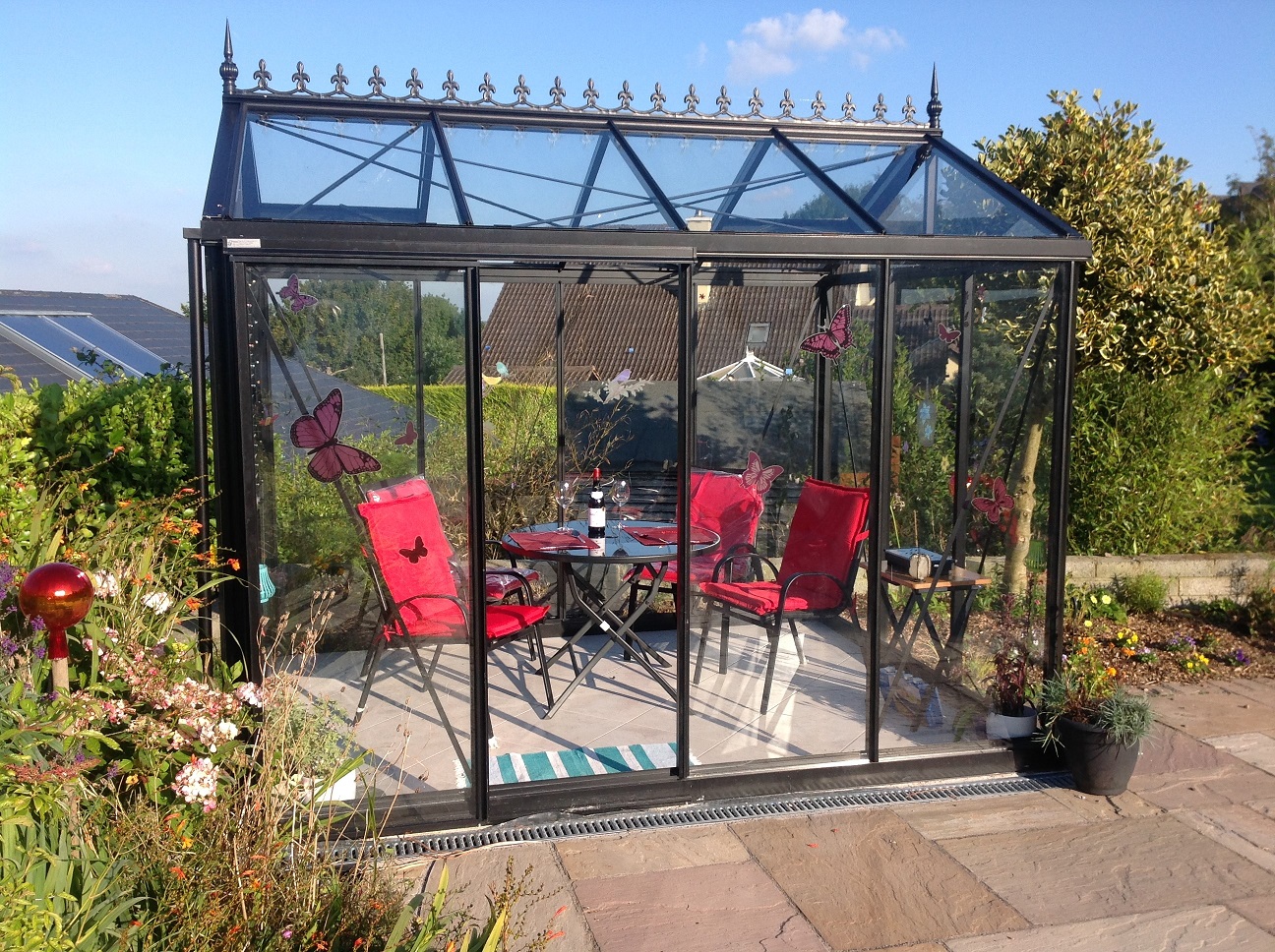
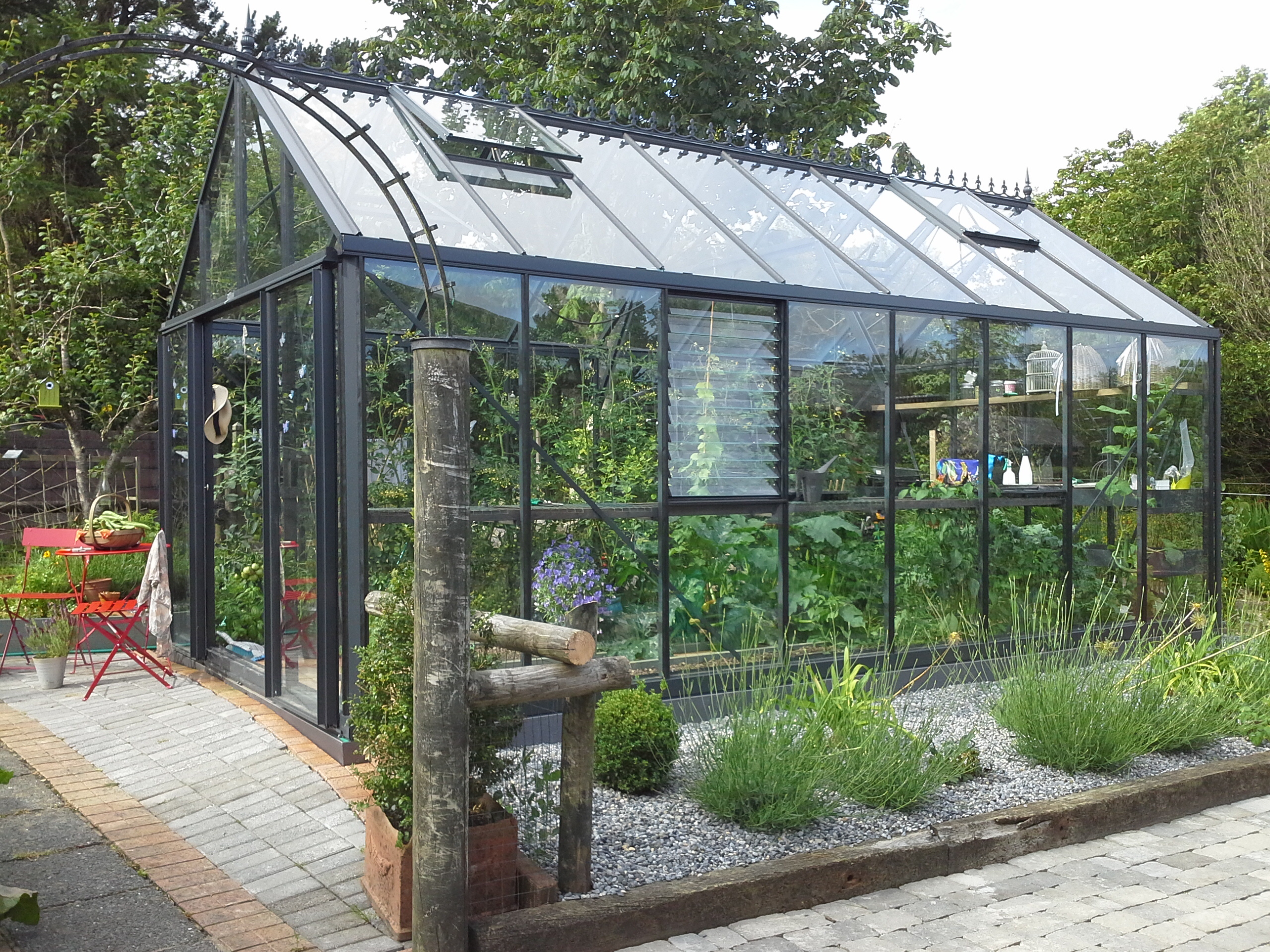
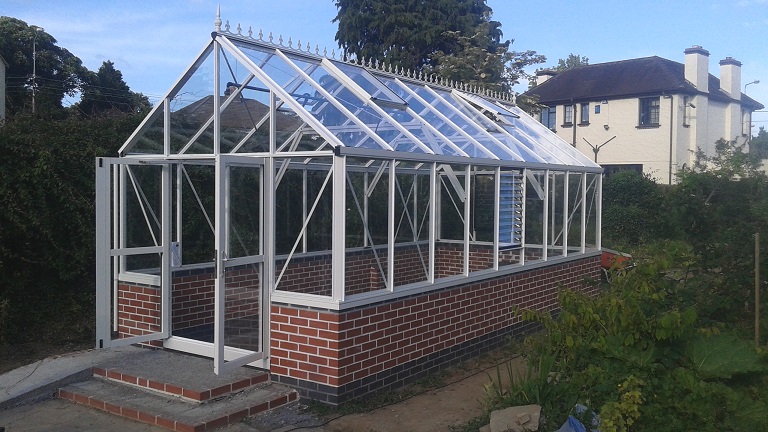
It’s that time of year again when Christmas is fast approaching and we’re pulling our hair out and racking our brains for the ideal gift.  Why not consider a Polytunnel or glasshouse where Polydome can offer you the perfect solution.  We have a wide range of glasshouses and Polytunnels with sizes and prices to suit depending on whether your site is sheltered or exposed.  A garden structure is not just for Christmas but can be utilized all year round both for growing plants and vegetables and protecting delicate ones from extreme conditions as well as being able to get the Spring growing season off to an earlier start than growing outside.  We also do a wide range of accessories like Fleece and Heaters for frost protection, Heatmats and Soil Warming Cables to get the growing season started as well as Ground Cover, Staging and Irrigation.  For the garden enthusiast a Voucher from Polydome for a Polytunnel, Glasshouse or accessory might be the solution followed by a visit to our display area which features 24 Glasshouses and Polytunnels along with a wide range of accessories.  We invite you to call our sales team on 057 912 0424 or visit our website www.polydome.ie.


Polytunnels on display

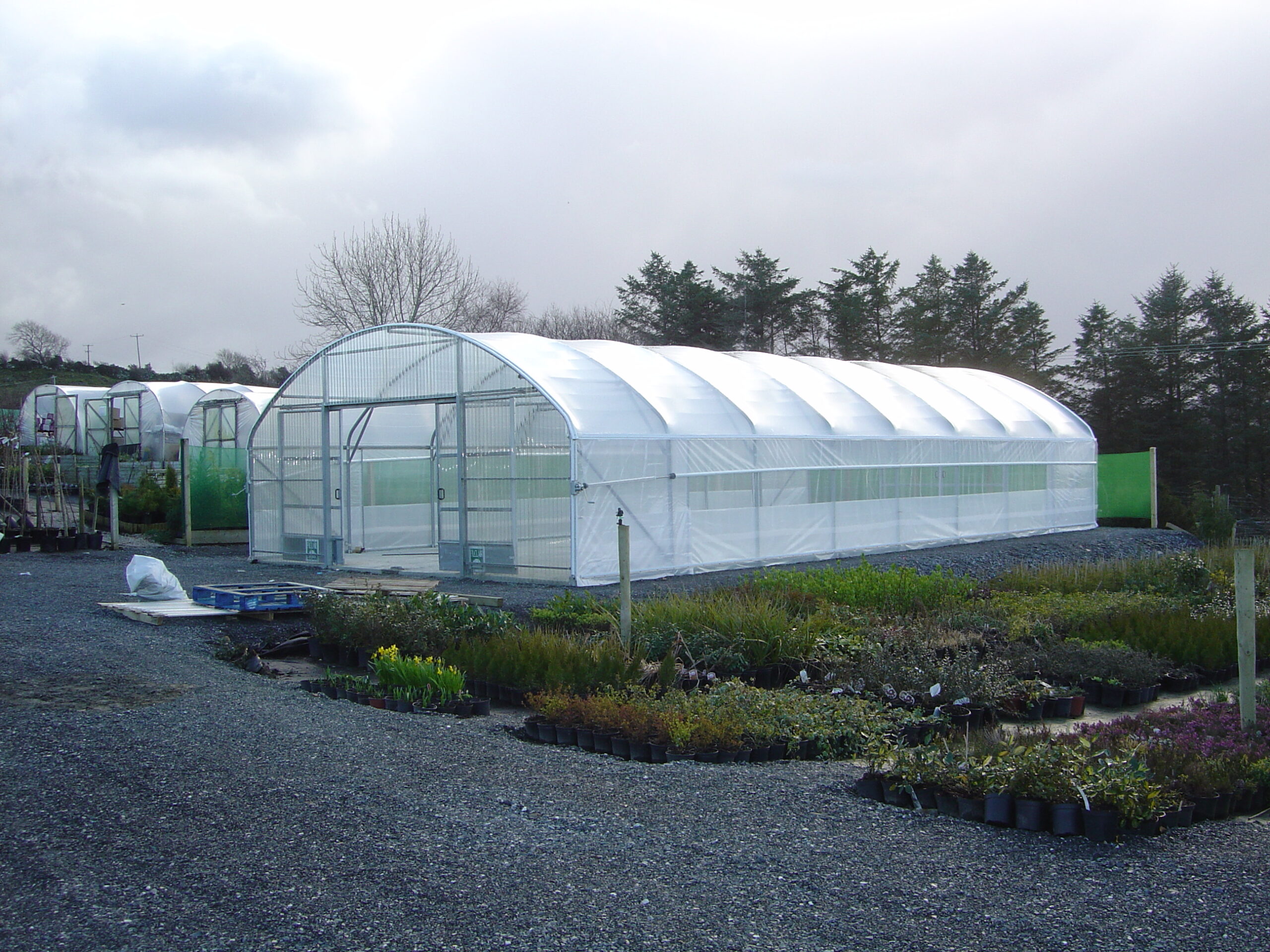
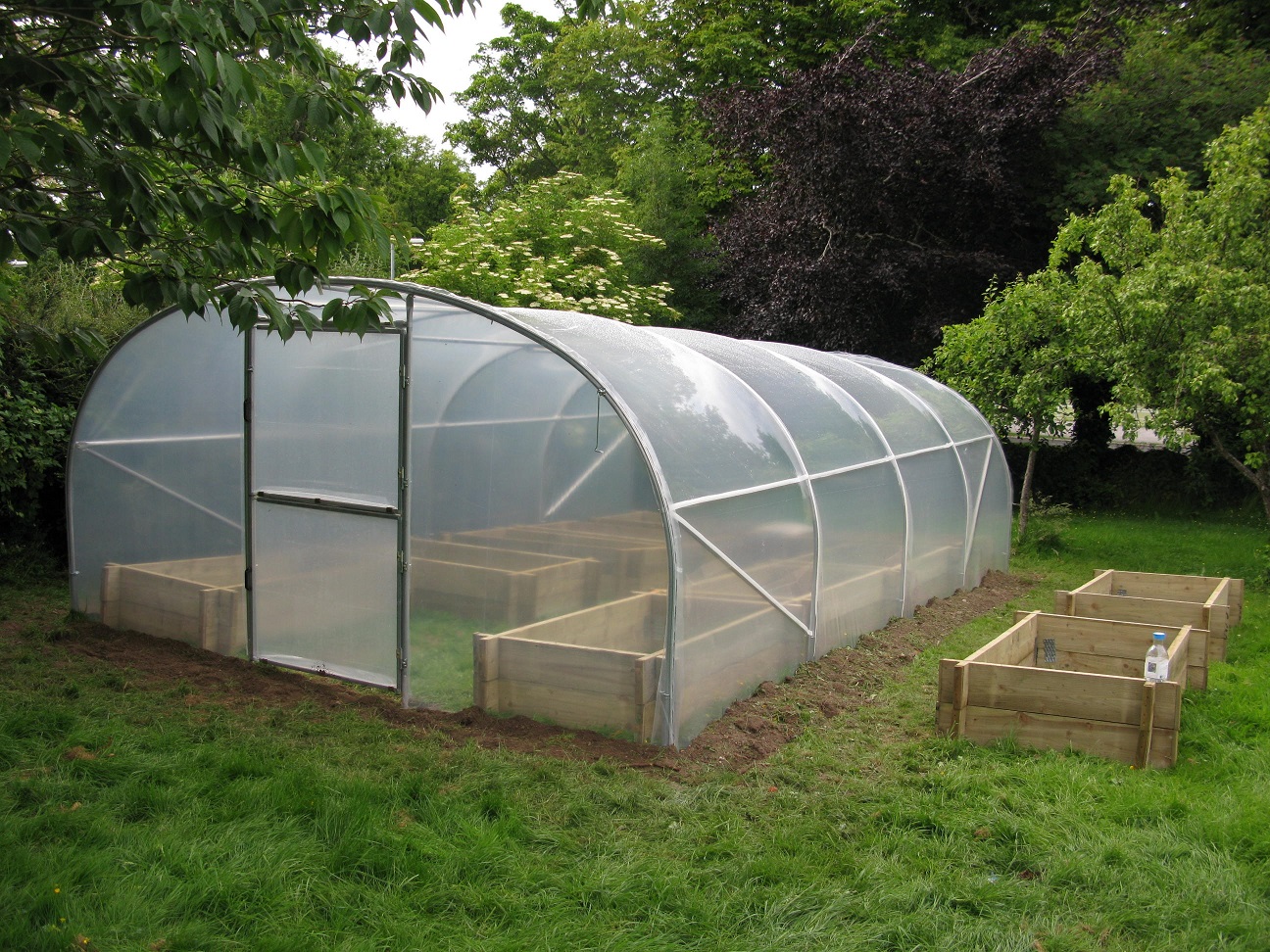
We currently have 5 Polytunnels on show at our premises in Crinkill which are representative of the different sizes and types we can supply.  Our Polytunnels are available as a kit for self assembly or we provide a construction service where desired.  In February 2015 we will be celebrating 30 years in business manufacturing Polytunnels and in that time have supplied and constructed them all over Ireland including most offshore islands and further afield such as Romania.

Watering in winter, Peter Whyte gives some tips

As the days get shorter and cooler, greenhouse plants need less and less water. If you go on giving them as much water as in summertime, problems will build up.

Firstly, the plants may continue to grow soft young shoots that will be susceptible to frosts and disease, instead of slowing down their growth-rate and hardening up their stems for the winter.

Secondly, the dampness caused by all the watering will encourage the fungus growth that causes leaf moulds and root rots. This is made worse by the lack of sun to dry off plant and soil surfaces quickly after watering.

Thirdly, the excess water unused by the roots as it drains down through the soil dissolves essential plant nutrients out of the soil and carries them down beyond the roots’ reach. This process is called leaching (sometimes misspelled ‘leeching’, which is an entirely different thing).

Fourthly, you are wasting water.Fadrip tube at work

What can you do? If you are using a watering computer set it to water less often, for example every fifth day instead of every third.  The soil surface can dry off longer between waterings.  You could also set it to run for a shorter time.  Water in the early morning, so that leaves and soil can dry off before night, when humidity rises as the temperature falls.  Instead of spraying with a hose use a can to apply water to the bases of plants without splashing their leaves and wetting the soil between them.  Ventilate the greenhouse as often as you can.

Check pot plants by touching the compost surface with a dry finger: if it is damp enough it will feel cool and compost particles will stick to your fingertip. Give little or no water until next time.

Polydome New Office

We are delighted to announce we have moved into our new state of the art office.  The office is a converted stone barn that has been radically renovated to include geothermal under floor heating, insulation to virtually passive standards, heat recovery and a lovely open bright feel to it.  We will have an official opening in the spring.  At the moment we are in the process of settling in but of course are open for Glasshouses and Polytunnel sales, visitors are most welcome.  In due course we will have a showroom in the office for Greenhouse Accessories to complement our display area which has currently 24 structures (Greenhouses and Polytunnels) on show.

Polytunnel price change on the way

grapes1Due to material cost movement in the market we will be revising Polytunnel prices upwards slightly.  This increase will come into effect for orders placed after this month.  Buy now to avoid the price change.

Hyacinths for Christmas

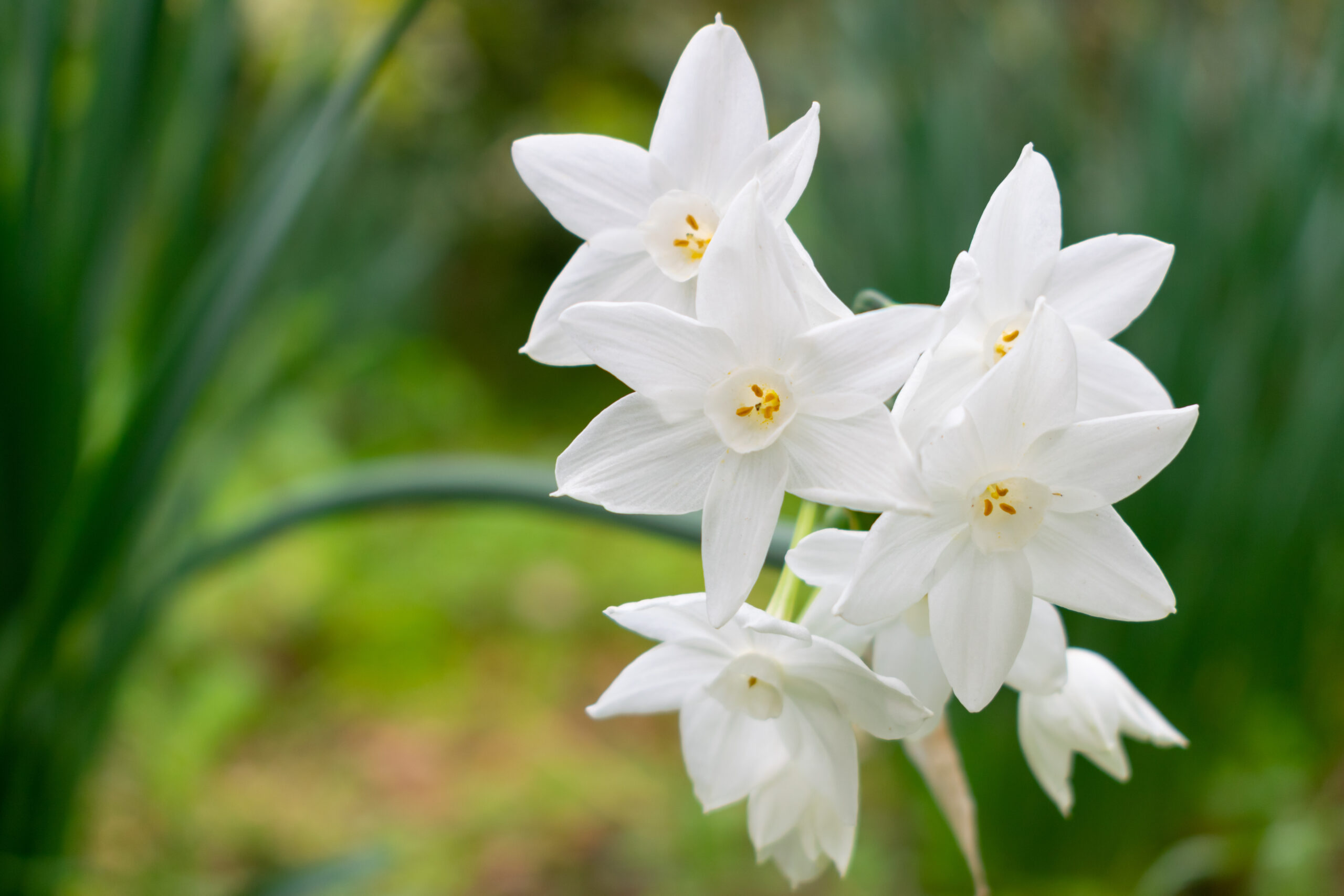
Hyacinths don’t normally flower at Christmas, but with some cheating they can be made to if planted in September.  Your greenhouse can protect growing plants and their emerging flowers from frost, wind and rain, and give enough heat to speed up their flowering.

Hyacinths won’t flower for Christmas unless they are given a heat treatment.  These ‘prepared’ bulbs are what to buy.  After use they can be planted in the garden to flower normally in later years, but won’t flower early again without another heat treatment.

To avoid staining indoor furniture, use a pot or container that has a suitable saucer or is non-porous and without drainage holes.  Use potting compost, or the coarser bulb fibre if the container has no drainage holes.  Put a layer of moistened compost or fibre in the bottom of the container and stand the bulbs upright on it, not quite touching each other or the sides.  Plants look better in threes or fives than in even numbers.  Top up with more fibre or compost to about finger width below the container edge: the tops of the bulbs should be exposed. 

Keep them moist in a cold, dark, frost-free place (such as in a black plastic bag in a cellar) for a few weeks until the shoots are about four centimetres high, and then move them to a shady spot in the greenhouse to green up for a week.  Aim to have the plants at this stage by the start of December.  Move them to a sunny spot in the house until the flower buds appear, and then to their flowering position.  Hyacinths can be pushed on a bit faster in the warmth of the greenhouse, but only in these last stages.  Keep them moist but not wet and feed them occasionally.

Tullamore Show

We will be exhibiting at the Tullamore Show on Sunday.  Our stand is x495 and x496.  We will have a 5.5m x 6m Polydome Tunnel up – super strong and very spacious.  Come and visit.

1 5 6 7 8 9 14